Managing household repairs can often feel like a daunting task, especially when it comes to something as vital as your hot water tank. A malfunctioning water heater can disrupt your daily life, affecting everything from showers to laundry. Fortunately, many common issues can be addressed with some basic tools and a little know-how. Understanding the essential tools needed for DIY hot water tank repairs not only empowers you but also saves money that would otherwise go to professional services.
Understanding Your Hot Water Tank
Before diving into the tools required for repair, it's essential to understand how a hot water tank operates. Most residential units are either tank-type or tankless systems. A traditional tank system heats and stores a certain amount of water, while a tankless system heats water on demand. Despite their differences, both types can experience similar issues such as temperature fluctuations, leaks, or total failure.
Knowing the components of your hot water tank is crucial when preparing for repairs. For instance, familiarizing yourself with the thermostat, heating elements, pressure relief valve, and anode rod will help you diagnose problems more effectively.
Must-Have Tools for Hot Water Tank Repairs
When tackling hot water heater repairs on your own, having the right tools can make all the difference. Here’s a selection of essential tools that will equip you for most DIY projects expansion tank repair involving hot water tanks:
Adjustable Wrench: This versatile tool can handle various sizes of nuts and bolts commonly found in hot water tanks. It allows you to tighten or loosen fittings without needing multiple wrenches.
Screwdrivers: Both flathead and Phillips screwdrivers are necessary for removing covers and securing connections around your unit.
Pipe Wrench: If you're dealing with threaded plumbing connections, a pipe wrench is essential for gaining leverage on these often-tight fittings.
Multimeter: This tool is invaluable for diagnosing electrical issues within your heater. You can test voltage across components like the thermostat and heating elements.
Hose: In case of draining or flushing sediment buildup from the tank, having a flexible hose helps manage where the discharged water goes, minimizing mess.
While this list is not exhaustive, these five tools will cover most basic repairs and maintenance tasks associated with hot water tanks.
Common Problems and Their Solutions
Understanding common issues that arise with hot water tanks is just as important as knowing what tools you'll need. Many times these problems have straightforward solutions that you can tackle yourself.
No Hot Water
A frequently encountered issue is waking up to discover there’s no hot water available—an inconvenience that disrupts morning routines significantly. This problem might stem from several causes including:
- A malfunctioning thermostat A burned-out heating element Tripped breakers in electric models
To address this issue effectively, start by checking if power reaches the unit by testing with a multimeter. If there’s power but no heat, replacing the heating element may be necessary—this involves using an adjustable wrench to remove old elements and install new ones.
Leaking Water Heater
Leaks can originate from various sources including fittings and valves or even from the tank itself due to corrosion or age. Locating the source requires careful inspection; tighten any loose connections first since they might be causing minor leaks.
If it’s clear that the leak results from significant corrosion within the tank itself (often indicated by rust around fittings), replacement may be inevitable since patching internal leaks usually isn’t feasible.
Sediment Buildup
Over time, minerals from hard water accumulate at the bottom of your tank leading to reduced efficiency and potential overheating issues. Flushing your hot water heater regularly helps prevent sediment buildup which can lead to costly repairs down the road.
To flush your unit:
- Connect a hose to the drain valve at the bottom. Open it slowly while letting cold water flow in through the top. Allow sediment-filled water to exit until it runs clear before shutting off both valves again.
Thermostat Issues
Thermostats regulate your heater's temperature settings; if yours fails or becomes inaccurate, it could lead to either scalding temperatures or lukewarm showers when you least expect them. Replacing thermostats typically requires minimal tools—just screwdrivers—and some patience as you follow manufacturer instructions carefully.
Pressure Relief Valve Failure
The pressure relief valve is a vital safety feature designed to prevent excessive pressure build-up inside your tank—a critical concern if ignored as it could lead to catastrophic failures like explosions in extreme cases! If this valve leaks constantly or fails altogether (often indicated by hissing sounds), replacing it promptly should be prioritized among repair efforts.
Safety Precautions During Repairs
While DIY repairs save money and provide valuable learning experiences, safety should always come first when working with any plumbing fixtures—especially those involving electricity or pressurized systems like water heaters. Here are some precautions worth noting:
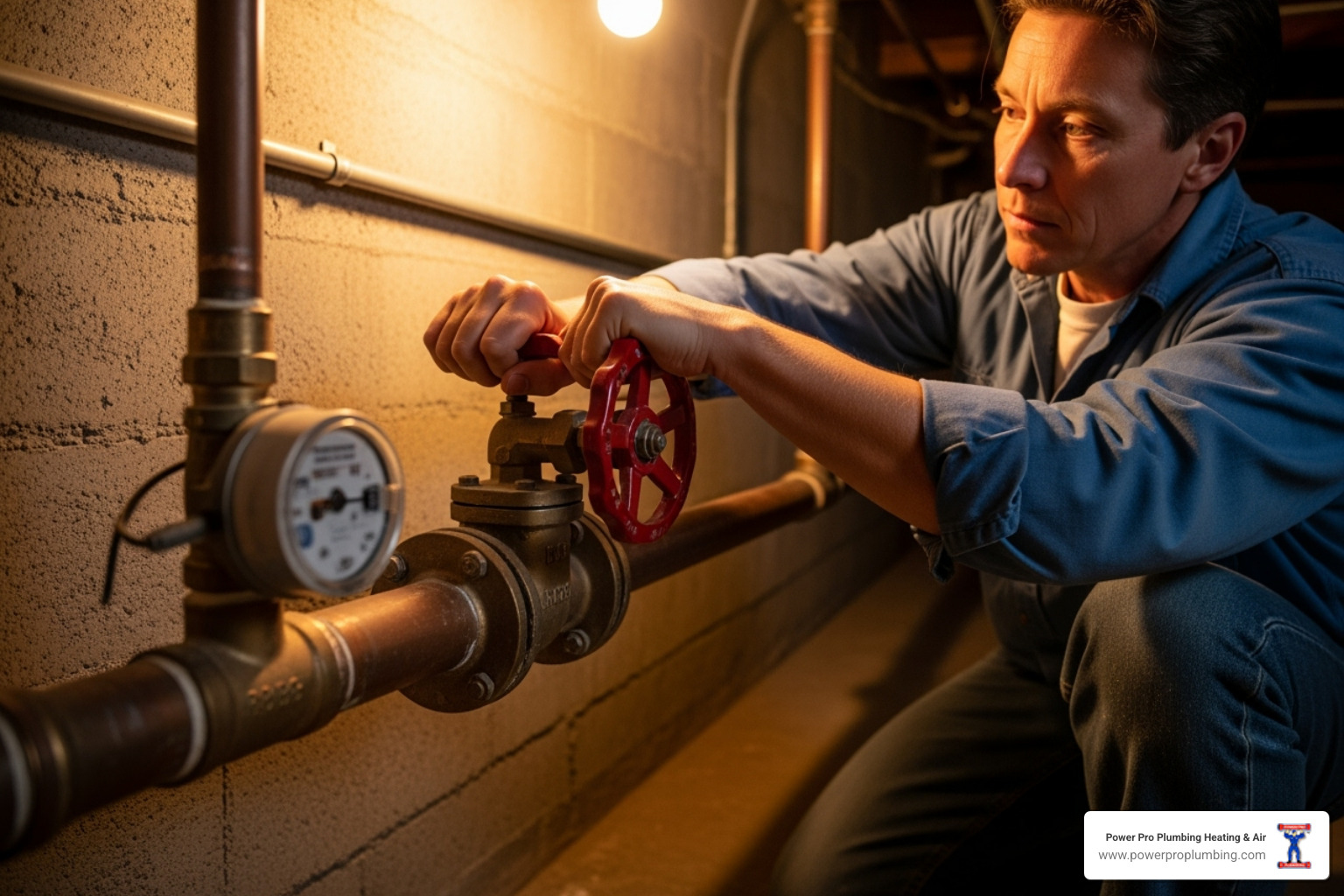
- Always shut off power at the circuit breaker before starting electrical work. When draining your tank, allow time for cooling as heated surfaces pose burn risks. Use proper personal protective equipment (PPE) such as gloves and goggles during handling tasks involving sharp tools or heavy components.
Following these guidelines ensures both safety during repairs while minimizing potential accidents resulting from negligence!
When To Call Professionals
Despite being prepared with tools and knowledge about common issues associated with hot water tanks—sometimes calling professionals proves wise judgment rather than risking damage through trial-and-error attempts! Certain situations warrant expert assistance:
- Persistent leaks after attempting repairs Extremely high-pressure levels that require specialized equipment Complex electrical faults beyond basic testing capabilities
Investing in professional services typically preserves equipment longevity while ensuring peace-of-mind knowing experienced technicians handle intricate concerns efficiently!
Maintenance Tips for Longevity
Once you've tackled immediate concerns regarding your hot-water system—consider adopting regular maintenance practices designed specifically for prolonging its lifespan! These include:
Regularly inspect fittings/valves every few months ensuring tightness remains intact. Schedule annual flushing sessions aimed explicitly at eliminating sediment buildup preventing inefficiencies over time. Check anode rods annually; replacing them every 5 years maximizes corrosion protection against rust formation within tanks themselves!Taking proactive steps towards maintaining optimal functionality prevents headaches down-the-line while enhancing home comfort year-round!
Conclusion
Understanding how to manage basic repairs on your hot water heater equips homeowners with invaluable skills that save money while increasing confidence in tackling future issues independently! By gathering essential tools alongside learning about common problems/corrections—you’ll feel empowered whenever faced with maintenance challenges ahead! Browse around this site Remember though—when uncertainty arises never hesitate reaching out professionals who possess specialized expertise offering invaluable support ensuring smooth operation throughout many seasons ahead!