The world of water heating systems is evolving rapidly, with new models and technologies hitting the market regularly. However, for many homeowners and even professionals in the industry, the technical jargon surrounding these products can be overwhelming. Understanding the terminology is crucial not just for making informed decisions about installations or repairs but also for communicating effectively with service technicians. This article aims to demystify some of the most common terms associated with modern hot water tanks and heaters, providing clarity and practical insights based on real-world experience.
Understanding Water Heating Systems
Water heating systems play a critical role in our daily routines. From taking hot showers to washing dishes, the convenience of hot water cannot be overstated. The two primary types of systems are tank-based water heaters and tankless options. Each has its advantages and disadvantages, which can be significant depending on your household needs.
Hot Water Tanks vs. Tankless Heaters
Hot water tanks store heated water for immediate use. When you turn on a tap, hot water flows out from the tank until it runs empty or cools down. On the other hand, tankless heaters heat water on demand, meaning they provide endless hot water without storing it. While tankless systems are often marketed for their energy efficiency, they may not supply enough hot water if multiple outlets are used simultaneously in larger households.
Key Components Explained
Understanding specific components can help clarify how these systems function:
- Heating Element: In electric water heaters, this component heats the water within the tank. Thermostat: This device regulates the temperature of the water by controlling when the heating element activates. Anode Rod: A sacrificial rod that helps prevent corrosion within the tank by attracting corrosive elements. Pressure Relief Valve: A safety feature that releases excess pressure to prevent tank explosions. Expansion Tank: Used in closed plumbing systems to absorb excess pressure caused by thermal expansion.
Each component plays a vital role in ensuring efficient operation and longevity of your system.
Common Technical Terms
Navigating through technical terms can feel like learning a new language. Here are some essential phrases explained:
Sediment Buildup
Over time, minerals and sediments can accumulate at the bottom of a hot water tank, leading to various issues such as decreased efficiency and potential damage. Regular maintenance through flushing services is crucial to remove this buildup and ensure optimal performance.
No Hot Water Repair
Experiencing no hot water can be frustrating. This issue might stem from several causes including thermostat failure, heating element malfunction, or even simple power issues like tripped circuits. Identifying the root cause quickly can save both time and money in repairs.
Leaking Water Heater Repair
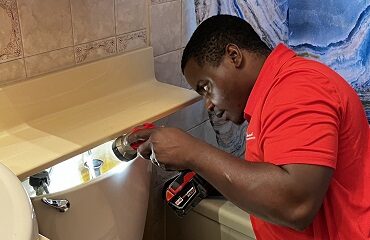
A leaking heater often signals more serious problems such as corroded components or improper installation. Addressing leaks promptly is essential to prevent extensive property damage and costly repairs down https://www.facebook.com/thepleasantplumber.minneapolis the line.
The Importance of Professional Services
While many homeowners might attempt DIY repairs or installations to save money, professional services offer invaluable expertise that often outweighs any potential savings from self-service.
Professional Water Heater Repair
Hiring a qualified technician ensures that all repairs are performed correctly according to local codes and regulations. Professionals have access to specialized tools and knowledge that allow them to diagnose issues accurately and perform repairs efficiently.
Hot Water Tank Installation
Installation requires precise calculations regarding capacity needs, venting requirements (especially for gas models), and local building codes compliance. Professionals will handle all these aspects seamlessly while providing warranties on their work — something DIY efforts typically lack.
New Technologies in Water Heating
Recent advancements have introduced various features aimed at improving efficiency and user experience:
Smart Technology Integration
Modern water heaters now come equipped with smart technology allowing users to monitor usage patterns remotely via smartphone apps. These devices can alert homeowners about maintenance needs or unusual activity that may indicate potential issues.
Energy Efficiency Ratings
Models are increasingly being rated for energy efficiency based on their performance metrics. Understanding these ratings helps consumers make better choices regarding long-term operational costs versus initial investment prices.
Cost Considerations
When evaluating options for replacement or installation, cost plays an important role along with energy efficiency:
Initial Purchase Price: The upfront cost varies significantly between standard tanks and high-efficiency models. Installation Fees: Hiring professionals incurs additional costs but guarantees compliance with safety standards. Operational Costs: Ongoing expenses related to energy consumption should factor into your decision-making process; higher upfront costs may translate into lower bills over time. Maintenance Costs: Regular service visits add another layer of expense but contribute significantly toward extending equipment life. Potential Repairs: Understanding common pitfalls allows you to budget for possible future fixes based on age or technology type.Evaluating these factors holistically leads to more informed decisions when considering new purchases or necessary replacements.
Navigating Warranty Issues
Warranties vary widely among manufacturers; understanding their specifics is expansion tank repair crucial when investing in equipment:
- Most residential units offer warranties ranging from six years up to ten years covering parts only (labor often excluded). Commercial units typically come with extended warranties due to higher usage demands but still require careful reading of fine print detailing coverage limits. Regular maintenance may be required by manufacturers’ guidelines; failing this could void warranty claims during breakdowns resulting from negligence rather than manufacturing defects.
Final Thoughts
Understanding technical jargon associated with modern hot water tanks and heaters equips homeowners with essential knowledge for making informed choices regarding installations, repairs, or replacements. By grasping key concepts such as sediment buildup effects or recognizing signs indicating professional intervention is needed — like no hot water scenarios — individuals empower themselves against costly mistakes while enhancing overall home comfort levels through reliable heating solutions tailored precisely toward their unique requirements.
With this knowledge in hand, you will navigate conversations with contractors confidently while ensuring your home remains warm — one drop at a time!